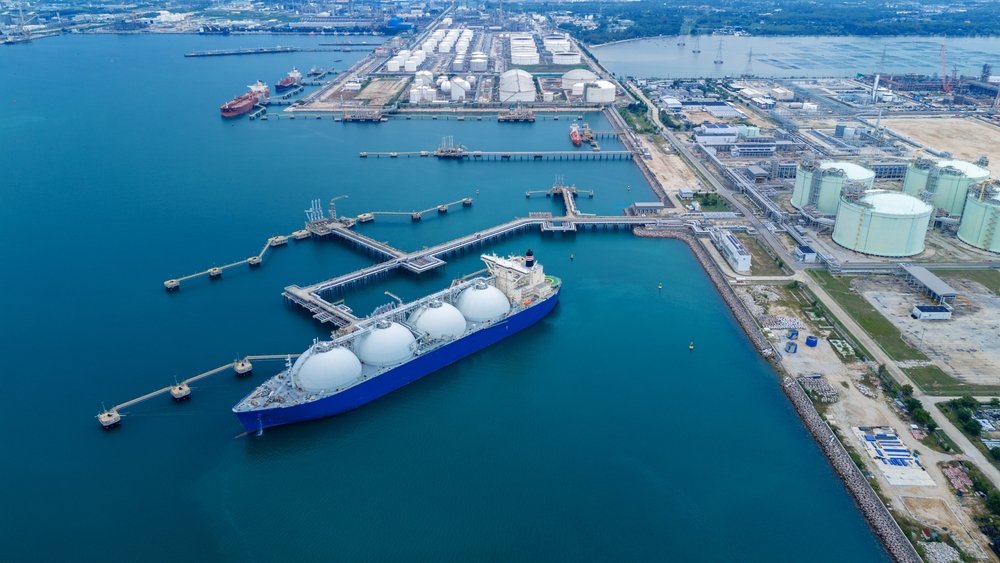
LNG projects in the Middle East are usually developed on a large industrial scale, often near coastal zones, ports, gas processing plants, export terminals, and remote desert areas. These projects require thousands of coordinated tasks, from civil works and mechanical installation to pipeline connections, storage systems, process units, utilities, and marine logistics. To support this demanding work environment, companies need organized camp facilities that can serve workers, engineers, supervisors, and management teams throughout the project.
LNG project camp facilities Middle East solutions are designed to provide accommodation, offices, dining areas, sanitary units, recreation spaces, medical rooms, storage areas, and welfare buildings close to the construction site. Modular and container-based camps make it possible to create a complete living and working environment without waiting for permanent buildings.
Why LNG Projects Need Large-Scale Worker Camps
An LNG camp Middle East project may involve a large workforce from different countries, contractors, and technical disciplines. Since many LNG sites are located away from existing urban infrastructure, workers need reliable housing and daily facilities near the project area.
A well-planned camp helps reduce transportation time, organize shifts, and provide controlled living conditions. It also allows project teams to manage food service, hygiene, security, medical support, and recreation from one central location.
Because LNG projects often continue for several years, worker camps must be more than temporary sleeping areas. They should be planned as complete support environments that can remain functional during different construction stages and workforce peaks.
Accommodation for Qatar Gas and Regional LNG Projects
Qatar gas camp projects and similar LNG developments across the region require high-capacity accommodation systems. These facilities may need to house engineers, skilled workers, site supervisors, subcontractors, inspection teams, and support staff.
Accommodation units can be designed as shared rooms, private rooms, supervisor rooms, or dormitory-style blocks. Each unit may include beds, wardrobes, lighting, ventilation, air conditioning, electrical systems, and bathroom options. In hot climates, strong insulation and efficient cooling systems are especially important for worker comfort.
LNG construction accommodation can also be supported with laundry rooms, dining halls, prayer rooms, medical units, rest areas, and social spaces. This helps create a daily routine that supports both productivity and worker welfare.
Offshore Gas Housing and Support Facilities
Offshore gas housing may be needed for workers involved in coastal LNG terminals, marine infrastructure, offshore support operations, and related gas field activities. Depending on the project structure, accommodation can be provided near ports, logistics bases, processing facilities, or temporary camp zones close to the coastline.
These camps may include offices for marine coordination, maintenance teams, inspection staff, logistics units, and safety personnel. Since offshore-related operations are often affected by vessel schedules, weather, and strict safety procedures, having housing and support facilities near the operational base can improve coordination.
For offshore gas projects, camp planning should also consider emergency response, transportation access, medical readiness, communication systems, and controlled movement between accommodation and work areas.
Modular Camp Solutions for the Arabian Peninsula
An Arabian Peninsula camp modular system must be designed for hot weather, dust exposure, long working periods, and large workforce management. In desert or coastal environments, buildings need durable exterior materials, effective insulation, air conditioning, ventilation, and easy-to-clean interiors.
Modular camp units can be arranged as accommodation blocks, office zones, dining complexes, sanitary areas, recreation spaces, medical units, and security checkpoints. The layout can be expanded as the number of workers increases and reduced when the project moves into later phases.
This flexibility is important for LNG projects because workforce demand changes throughout engineering, procurement, construction, commissioning, and operation preparation stages. Modular camps allow companies to respond to these changes without rebuilding the entire camp.
Gas Liquefaction Project Housing and Welfare Areas
Gas liquefaction project housing should be planned with daily life in mind. Workers need clean rooms, safe food service, reliable water supply, sanitation, shaded outdoor areas, and rest spaces. In the Middle East, heat management is one of the most important parts of camp design.
Dining halls and kitchens should be sized according to the number of residents and meal schedules. Sanitary facilities should be easy to maintain and distributed across the camp. Recreation areas can include TV rooms, sports spaces, indoor lounges, internet areas, and quiet rooms.
Welfare facilities are not only about comfort. They also support worker health, morale, and retention during long projects. A camp that provides organized living conditions can help reduce fatigue and improve overall project stability.
Safety, Compliance, and Camp Management Standards
LNG worker camps must follow strict safety and quality expectations. Requirements may include fire safety systems, emergency exits, electrical compliance, clean water supply, wastewater management, food hygiene, ventilation, medical support, security control, and occupational health measures.
International labor standards may also influence camp design. These standards often focus on room occupancy, sanitation, access to drinking water, food quality, medical care, rest areas, privacy, and safe living conditions. For multicultural teams, camp management should also consider language, religious needs, food preferences, and social facilities.
A properly managed LNG camp helps protect workers while supporting project continuity. Since LNG projects involve high-value infrastructure and strict industrial procedures, the camp should be planned as part of the overall site management system.
FAQ
What unique requirements do LNG project camps in the Middle East have?
LNG project camps in the Middle East must be designed for hot climates, dust exposure, large workforce capacity, international labor needs, strict site security, and long project durations. They may require strong insulation, reliable air conditioning, shaded areas, high-capacity dining facilities, medical support, prayer rooms, recreation spaces, and controlled access systems.
How are camps cooled effectively in extreme Middle Eastern heat?
Camps are cooled with insulated wall and roof panels, efficient air conditioning systems, sealed doors and windows, shaded walkways, proper ventilation, reflective exterior materials, and planned building orientation. In large camps, cooling capacity should be calculated according to room size, occupancy, outdoor temperature, and daily usage patterns.
What international labor standards apply to LNG project worker accommodation?
Applicable standards depend on the country, project owner, contractor requirements, and funding conditions. Common expectations include safe occupancy levels, clean rooms, sanitary facilities, drinking water access, food hygiene, medical care, fire safety, ventilation, privacy, rest areas, and fair living conditions. Many projects also follow company-specific worker welfare standards in addition to local laws.
How are multicultural workforces managed in LNG project camps?
Multicultural workforces are managed through clear camp rules, multilingual communication, varied food options, prayer and quiet areas, recreation facilities, medical support, respectful accommodation planning, and organized welfare services. Camp management teams may also separate living zones or dining schedules according to workforce size, shift patterns, and cultural needs.
What recreational and welfare facilities are provided in LNG worker camps?
LNG worker camps may include dining halls, TV rooms, sports areas, indoor lounges, internet rooms, prayer rooms, laundry facilities, medical rooms, shaded outdoor seating, small shops, training rooms, and social spaces. The exact facilities depend on camp size, project duration, workforce profile, and employer welfare standards.
LNG Project Worker Camps in the Middle East